Canada's retaliatory tariffs on U.S. imports, effective Sept. 8, address ongoing trade disputes and protect key domestic industries.
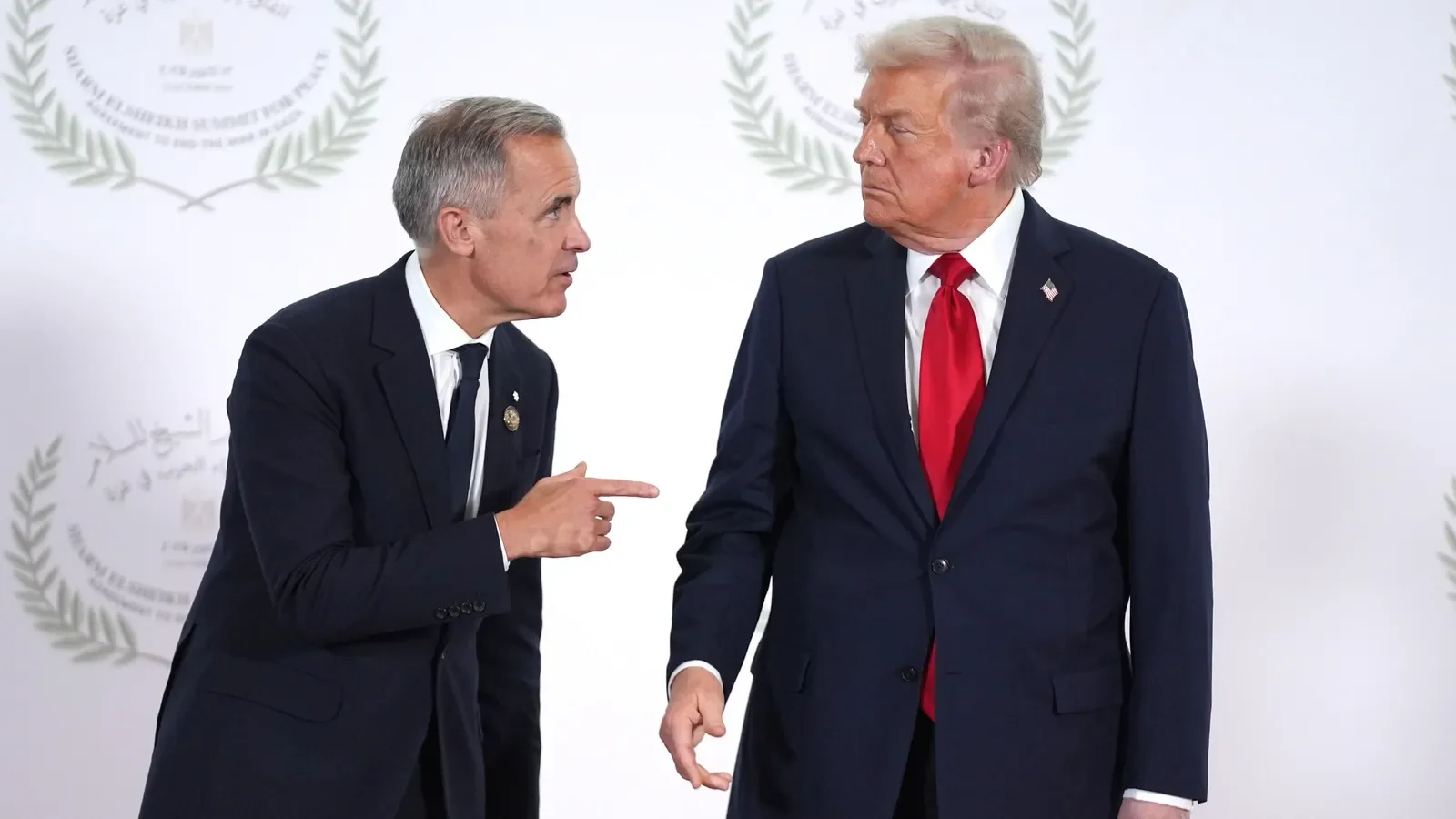
Canada's Retaliatory Tariffs Target U.S. Imports
In an assertive move to defend its interests, Canada is set to implement retaliatory tariffs on a range of U.S. imports, escalating the already strained trade relations between the two nations. These tariffs, which are sizable and range from 15% to 50%, will take effect on September 8 and align with existing U.S. tariffs on Canadian goods. Such a response isn't merely a reflexive act of economic defense; it signals a broader struggle for equitable trade practices between these neighbors, who are tightly interwoven through complex supply chains.
Specifics of the Tariff Implementation
According to a release from the Canadian Department of Finance, the new levies will primarily target products such as steel, dairy, appliances, agricultural equipment, and electronics. The tariffs are specifically designed to mirror the Section 338 and Section 232 tariffs that the Trump administration previously imposed on various Canadian exports. In retaliation, Canada has also announced a substantial support package of $7.5 billion aimed at aiding businesses affected by these tariffs. This financial backing is indicative of the government's recognition of the potential short-term disruptions faced by affected sectors and its commitment to maintaining economic stability.
Interestingly, Canada has opted to exclude seafood and fish products from this list of tariffs following feedback from industry stakeholders who pointed out the already challenging market conditions. The fishing industry, which often walks a tightrope between local and foreign demand, may have dodged a significant bullet here. If you're working in this space, this decision likely comes as a relief, showing that the government is listening amid these contentious negotiations.
Tactical Adjustments and Industry Focus
It's significant to note that the Canadian government is paying close attention to the effectiveness of these measures. A statement from the Department of Finance underlined ongoing collaboration with Canadian industries to evaluate responses to U.S. tariff actions, particularly in vital sectors like steel and aluminum. The most severe tariff of 50% applies to steel and aluminum imports, an increase that elevates the previous Canadian tariffs set at 25%. Other categories, such as appliances and dairy products, will incur a 25% tariff. This tactical shift underscores Canada’s resolve to create a proportionate response that not only protects its industries but also aims to retaliate in a balanced manner.
“This focused response aims to protect Canadian workers and businesses, ensuring they can compete effectively against imports,” the finance minister stated. “Our approach seeks to defend those industries unfairly targeted by U.S. tariffs.” Such sentiments reveal the underlying frustration felt by many businesses and policymakers alike; after all, protectionism rarely fosters goodwill between trading partners.
Context Behind Tariff Decisions
These tariffs follow the U.S.'s announcement over the weekend of new levies on various Canadian imports, prompting Canada to retaliate promptly. The collapse of recent negotiations exacerbated the tense situation, as talks stalled markedly despite President Trump's brief delay of original tariffs in a bid for further discussions. Frustration has become palpable among Canadian officials, as they’ve found themselves in a seemingly endless cycle of back-and-forth negotiations.
Prime Minister Mark Carney's decision to withdraw negotiators was specifically framed around new, inequitable terms introduced by the U.S. administration. He emphasized Canada’s commitment to matching these tariffs “dollar for dollar” in response to what he described as unjust actions by the U.S. By framing the tariffs within a narrative of fairness, Canada positions itself not merely as a retaliatory actor but as a defender of equitable trade practices.
Political Reactions and Future Considerations
The political landscape suggests that the blame for the negotiation breakdown likely rests heavily on the U.S., as President Trump remarked that dialogue difficulties were influenced by Canada’s unwillingness to concede to revised terms. Notably, he hinted at a potential extension of the 50% tariffs to automobile imports. However, details remain murky, particularly regarding how these additional duties would interact with existing tariffs. Uncertainty can create hesitance among manufacturers and traders alike, which only adds to the convoluted state of affairs.
Finance Minister Champagne reiterated Canada’s stance, vowing that the country would not back down in the face of U.S. pressure and would instead pursue strong defensive measures for its economy. This assertive position reflects a strategic pivot that aims to bolster not just immediate economic interests but long-term trade relationships, despite the ongoing turmoil.
Implications, Significance, and Future Outlook
The implications of these tariffs are likely to resonate through both Canadian and U.S. industries, driving a more complex trade narrative. As Canada fortifies its measures, the future trajectory of North American trade will hinge on both nations’ abilities to navigate these heightened tensions while engaging in constructive dialogue. The stakes are high: industries across both countries are poised to feel the impact, as supply chain disruptions could lead to higher costs for consumers, lost jobs, and stalled investments.
What this means for you, whether you're a business owner, an investor, or simply an interested observer, is that the economic ripple effects of these policies may take time to unfold. Companies need to consider the volatility in trade dynamics and possibly adjust their strategies accordingly. The long-term viability of this tit-for-tat approach remains uncertain, and navigating this new reality will require acute awareness of changing market conditions. (And this is the part most people overlook.) In the end, effective diplomacy could hold the key to breaking the cycle, fostering a more balanced trade environment that benefits both nations in the long term.
Discussion
Sign in to join the discussion.