The San Antonio Spurs have enlisted Mortenson and Bartlett Cocke to build a $1.3 billion arena, revitalizing the downtown area.
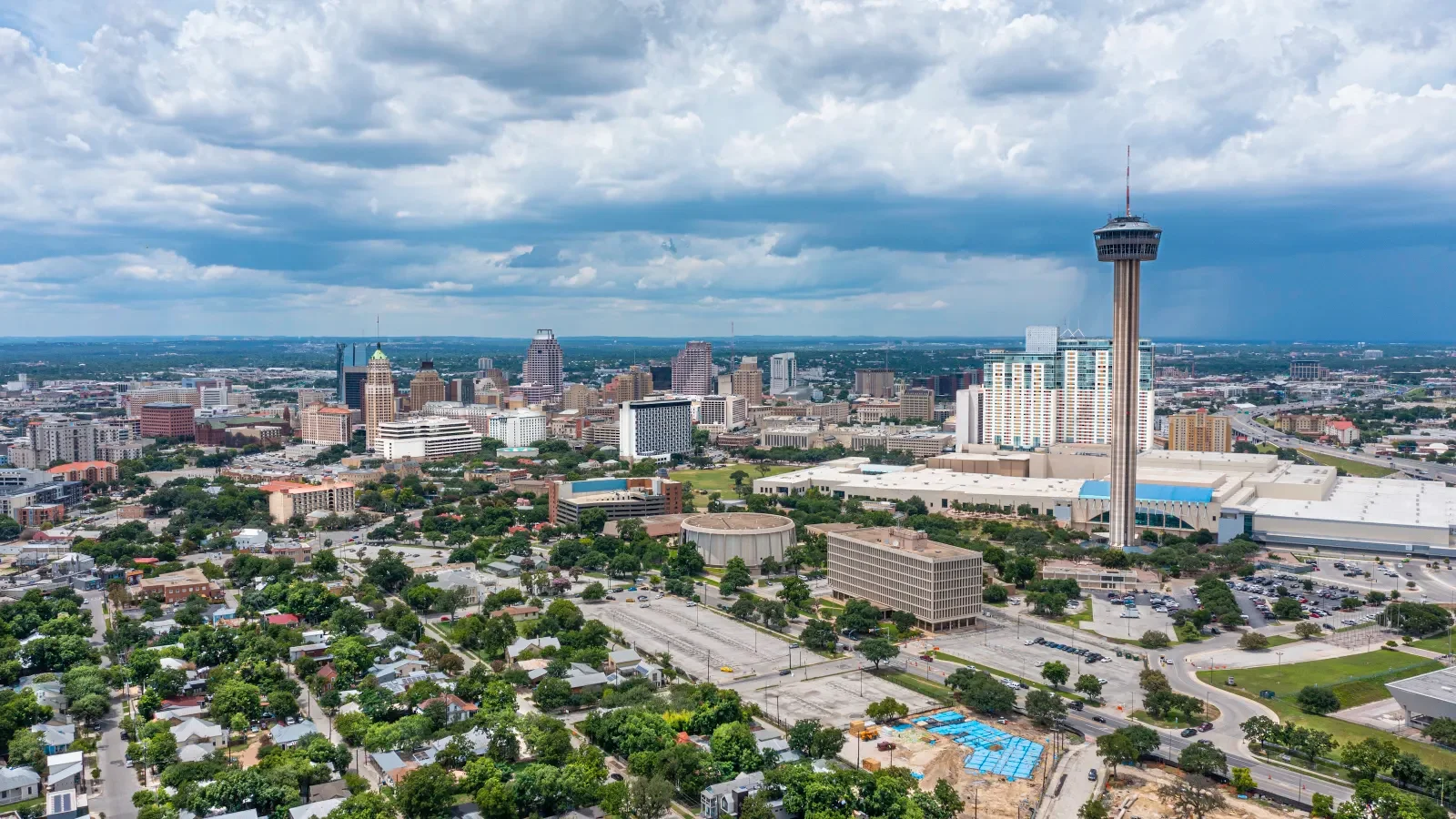
The San Antonio Spurs are moving forward with significant plans for a new arena that will serve as the centerpiece of a revitalized sports and entertainment district downtown. The project, valued at $1.3 billion, marks a transformative moment for the city and its sports culture.
Selected for this ambitious endeavor are Mortenson and Bartlett Cocke General Contractors, both of whom will oversee construction management. This partnership brings together Mortenson's history in major sports venues, including multiple NBA arenas, and Bartlett Cocke’s extensive local expertise accumulated over six decades of commercial projects.
Financial backing for this major undertaking comes from various sources, with Bexar County contributing $311 million and the city providing another $489 million. The Spurs organization will cover the remaining project costs and any potential overruns, reinforcing their commitment to this high-profile venture.
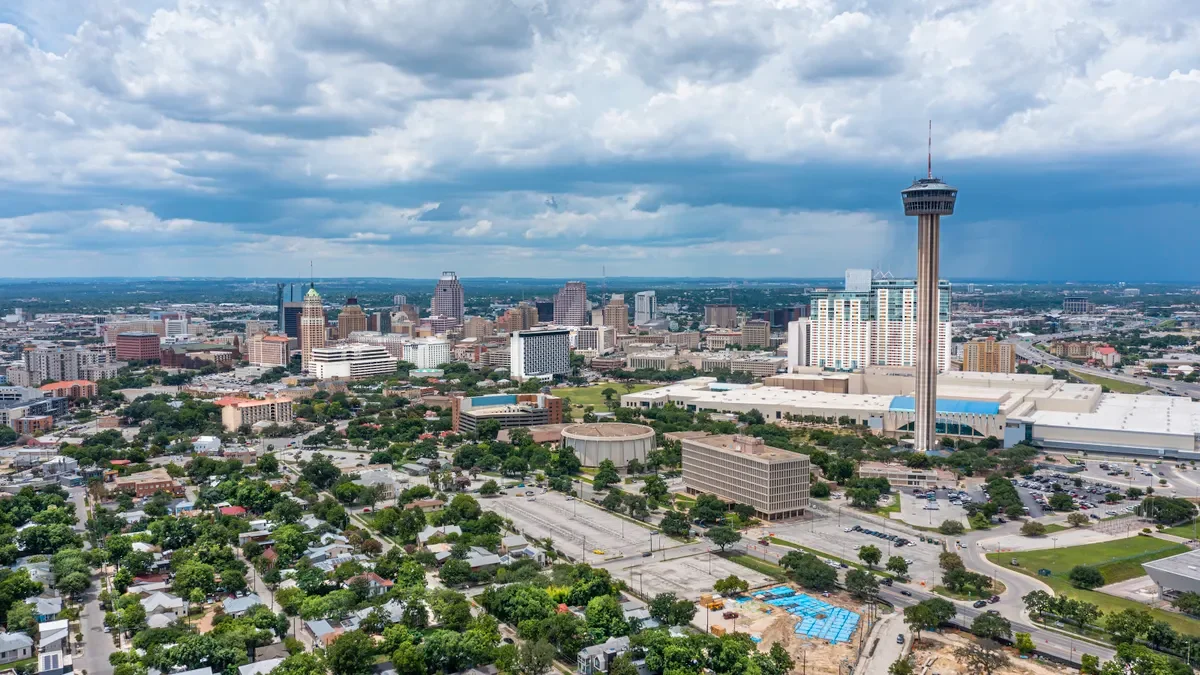
Construction Team and Expertise
This construction project is an expansion of the team of professionals named in May, which includes CAA Icon for project management and Pape-Dawson as the civil engineering contractor. Overland International will be the architect responsible for the new arena’s design. The selection of these firms isn’t arbitrary; each partner brings a wealth of experience that is pivotal for a project of this magnitude. It’s not just about building a stadium; they’re tasked with creating a landmark. CAA Icon, for instance, is known for navigating the complexities that come with managing high-profile projects, fitting the needs of the Spurs, both operationally and financially.
The confirmed partners have a solid track record in sports facility projects, having collaborated on influential venues such as the $1.9 billion Allegiant Stadium in Las Vegas and the $1.15 billion Climate Pledge Arena in Seattle. These previous projects showcase the firms' capabilities and provide confidence that they can deliver a state-of-the-art facility, tailored to meet the expectations of Spurs fans and the broader San Antonio community.
Logan Gerken, Mortenson’s vice president and general manager, expressed his enthusiasm, stating that they are “honored to be selected by the San Antonio Spurs to help deliver this generational project.” He emphasized the combined resources and expertise that Mortenson and Bartlett Cocke bring to ensure the project's success. This isn’t just a business transaction; it’s a partnership that recognizes the cultural value of sports in San Antonio.
Planned Developments in the District
The new stadium will be the cornerstone of a larger sports and entertainment district in San Antonio, which will also comprise:
- Expansion of the Henry B. Gonzalez Convention Center.
- A new convention center hotel.
- A land bridge over I-37 to foster connectivity between East Side neighborhoods and Downtown.
- Improvements to the Alamodome.
- Transformation of the John Wood Courthouse into a live entertainment venue.
This ambitious vision for San Antonio not only positions the Spurs as a central tenant but also promises to enhance the city's role as a vibrant hub for sports and community engagement. By integrating various elements—from the hotel to the land bridge—the project aims to create a comprehensive ecosystem for entertainment. If you’re working in this space, it’s worth considering how such developments can drive not just immediate economic activity but long-term community investment.
This approach exemplifies a shift towards mixed-use developments, focusing on accessibility. That land bridge isn’t just a bridge; it symbolizes a commitment to connection. Past projects often overlooked these nuances, but San Antonio's planners seem keenly aware of the pedestrian experience and how it can galvanize community spirit.
Implications and Future Outlook
The implications of this project stretch far beyond the construction of a new arena. It reflects a growing trend where cities recognize the vital role of sports in urban revitalization. As more cities invest in large-scale sporting projects, we should ask ourselves: What happens to the fabric of the city? Sports arenas often serve as focal points for social interaction, leading to increased civic pride and community cohesion. These types of developments can reshape perceptions about a city, attracting tourism and establishing San Antonio as a viable venue for major events.
However, this ambitious undertaking is not without risks. The sizable investment leads to questions around economic viability. Can the local economy support this level of expenditure without facing backlash, especially as costs continue to rise? History shows us that projects of this magnitude can often lead to debates about gentrification, resource allocation, and the way public funds are used. Those concerns might not seem apparent now, but they’ll likely surface as the project progresses.
In summary, while this project presents an exciting opportunity for San Antonio, a healthy dose of skepticism about long-term outcomes and community impacts should accompany the enthusiasm. The stakes are higher than they look, and the true measure of success will go beyond the ribbon-cutting ceremony.
Discussion
Sign in to join the discussion.